Michael Ayrton RA
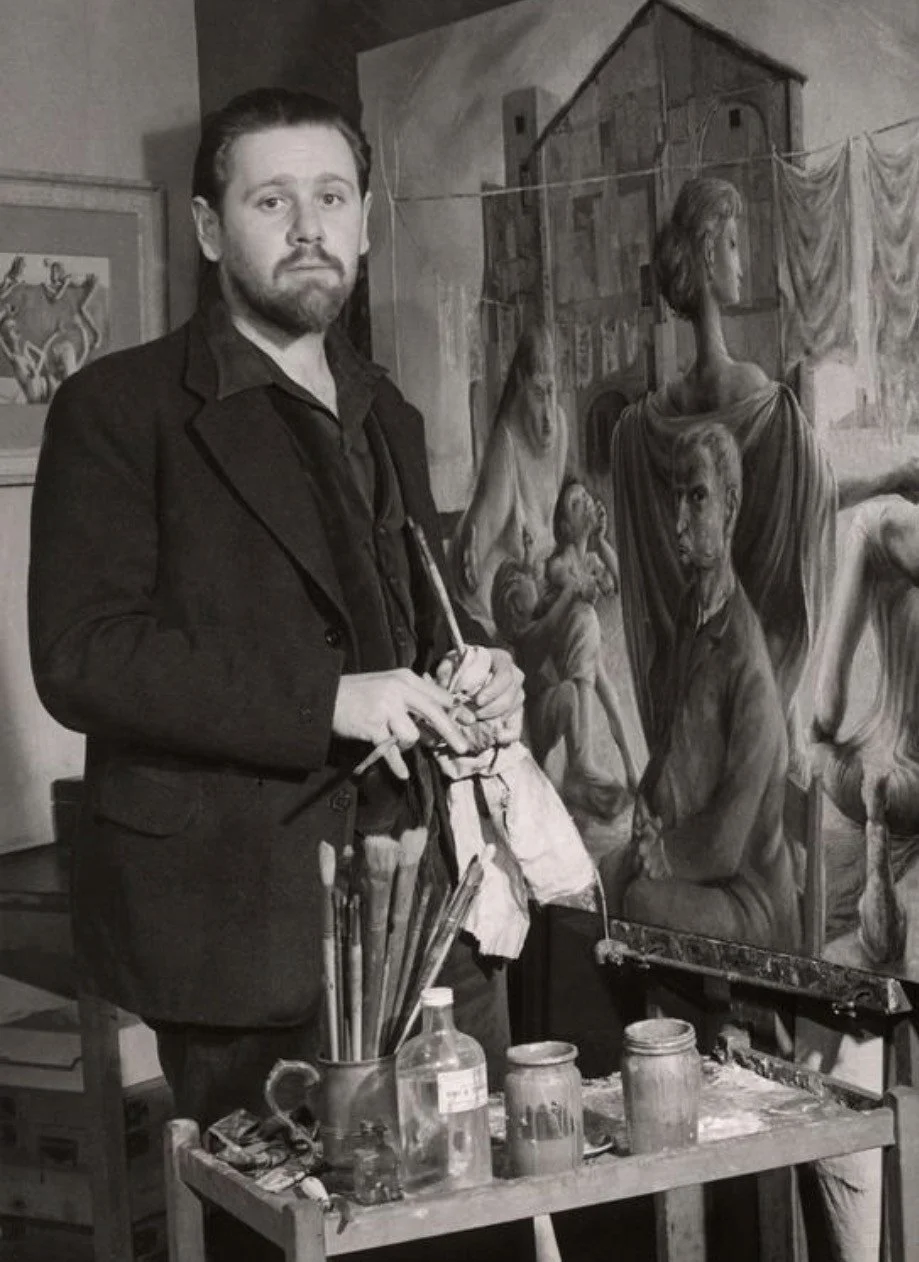
Michael Ayrton (1921–1975) was a British painter, sculptor and writer whose work of the 1940s and 1950s established him as a distinctive voice in post‑war British art. During this period, Ayrton developed the themes and visual language that would define his career: a fascination with mythology, the human figure, and the psychological drama of classical narratives.
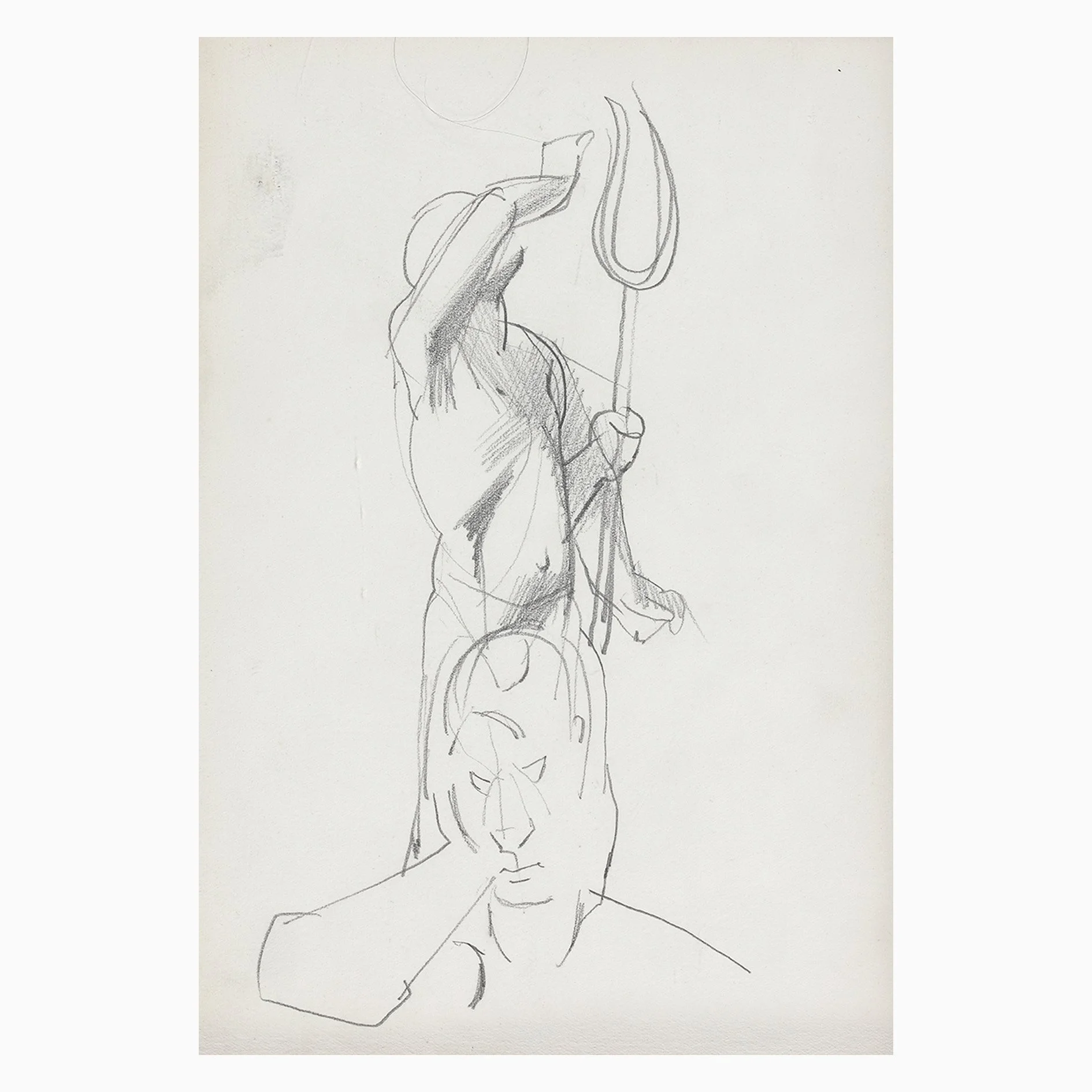
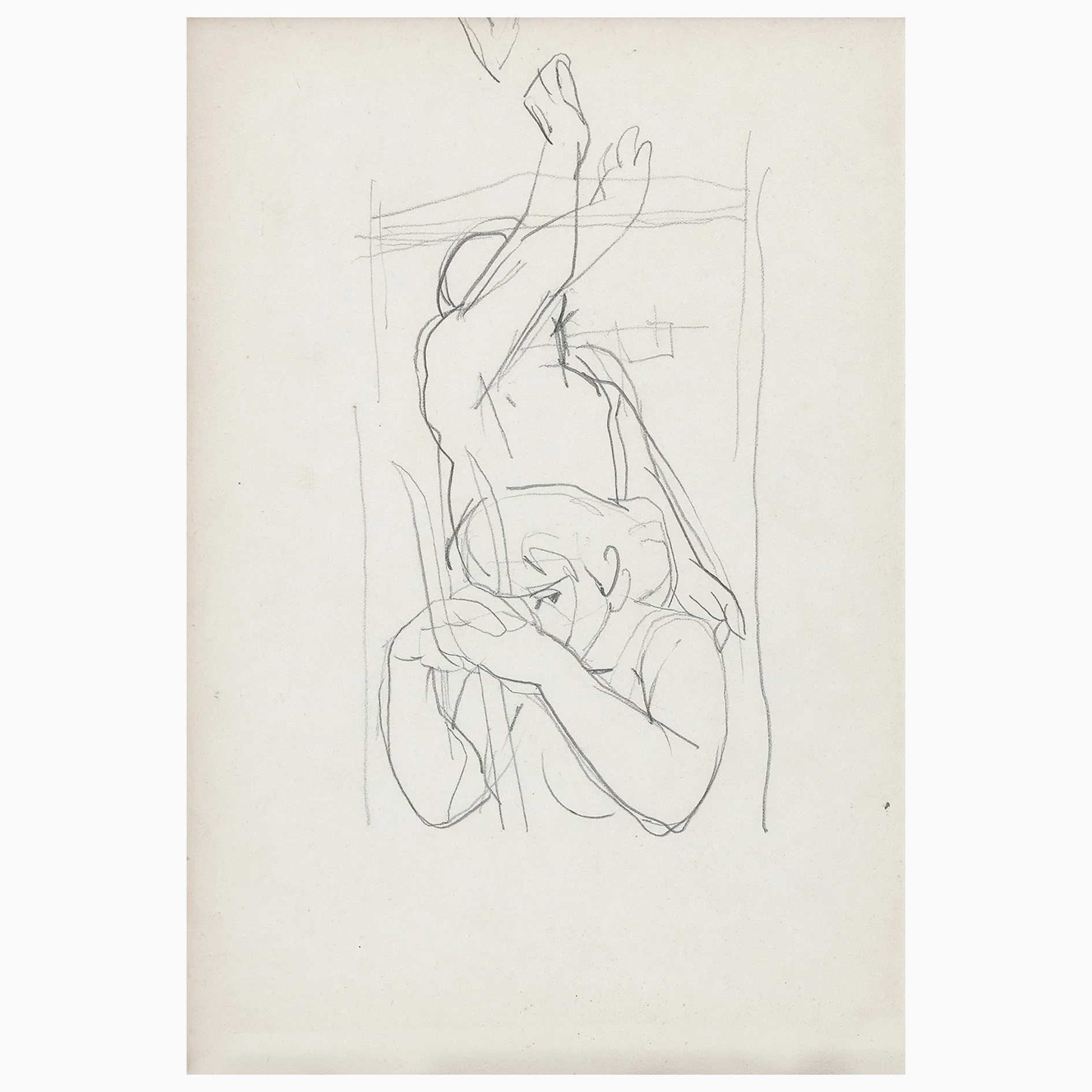
In the 1940s, Ayrton’s paintings and drawings combined expressive line with a disciplined, sculptural sense of form. His early works often explored the tension between modernist experimentation and classical structure, reflecting his deep engagement with Renaissance masters and contemporary European art. By the 1950s, Ayrton’s practice had become increasingly focused on mythological subjects — particularly the Minotaur, Daedalus and labyrinthine imagery — which he rendered with bold graphic clarity and emotional intensity.
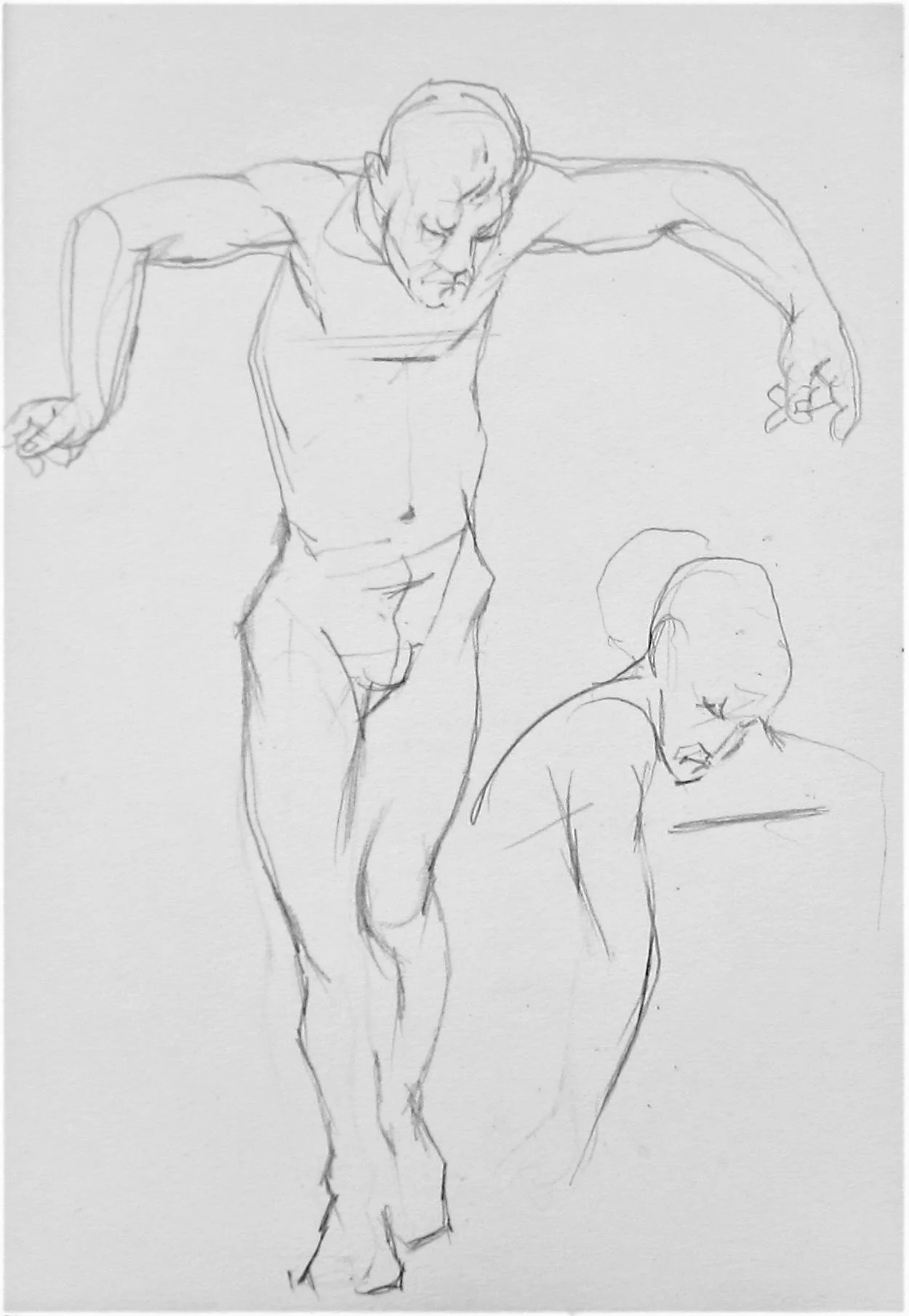
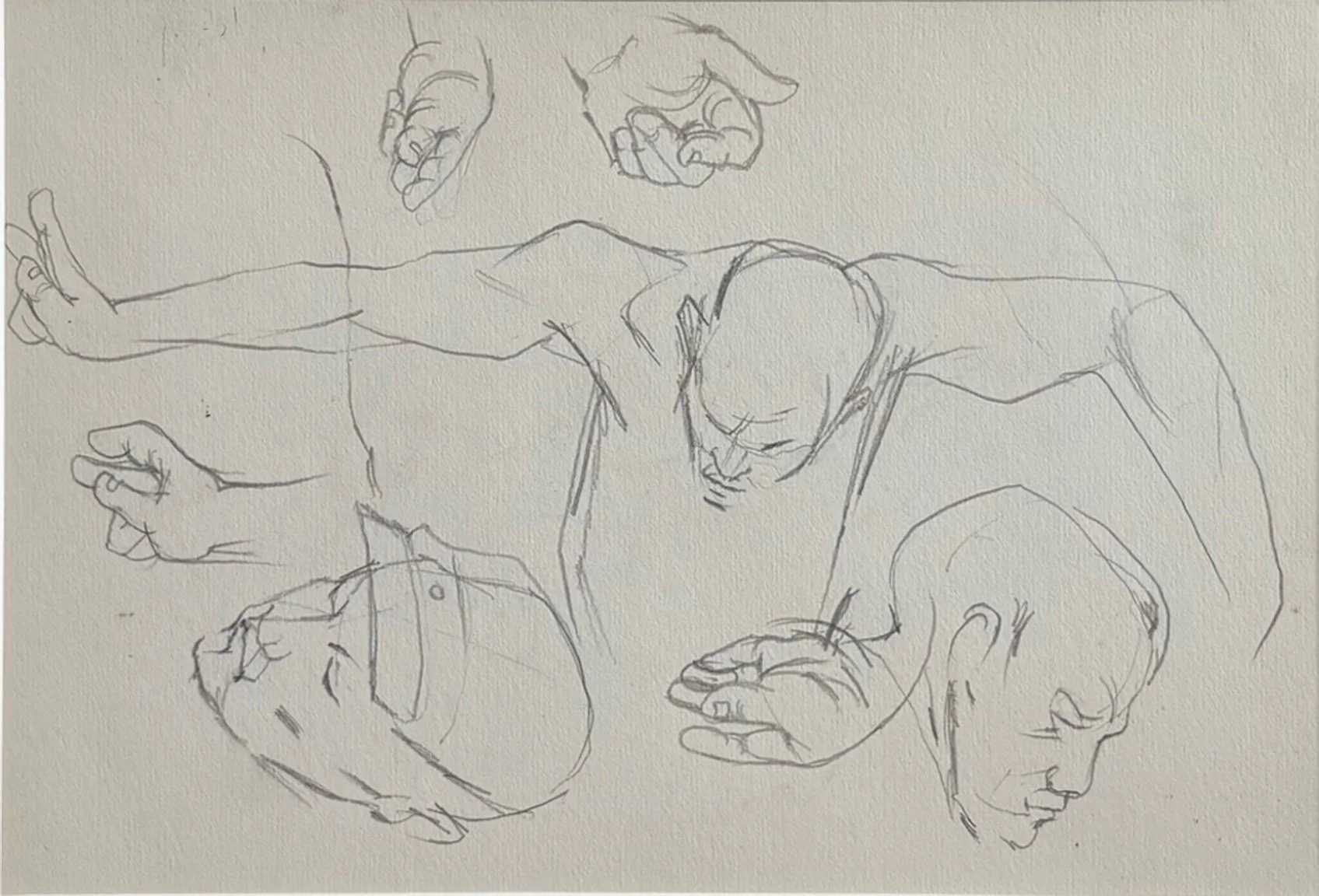
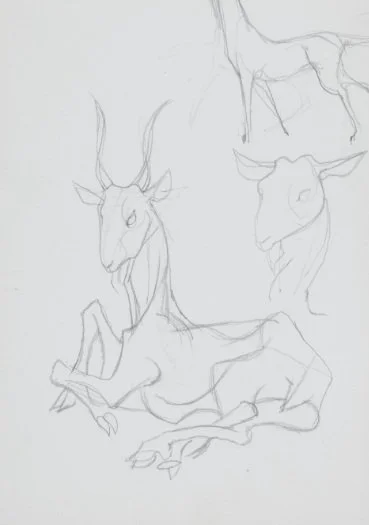
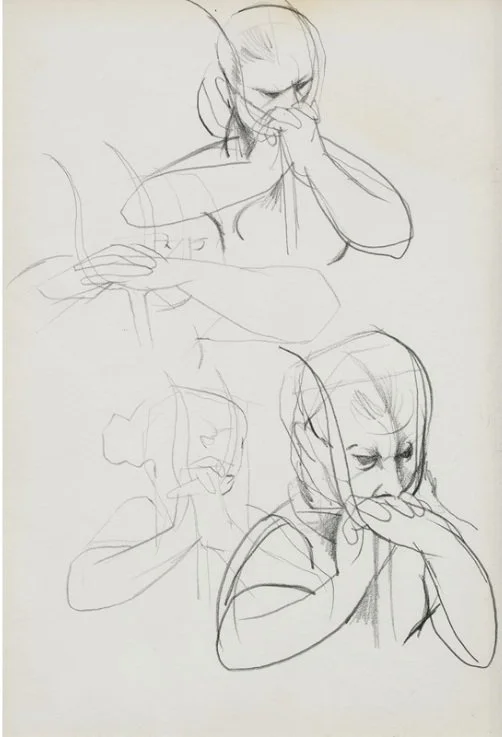
These decades also saw Ayrton produce some of his most compelling works on paper: studies that reveal his rigorous draughtsmanship, interest in anatomy, and ability to fuse narrative with abstraction. His work from this era remains celebrated for its intellectual ambition, technical precision and its role in shaping mid‑century British figurative art.
Available Works